
Food Safety Abroad: How to Eat Well and Avoid Illness
- MG Quinn

- May 21
- 2 min read
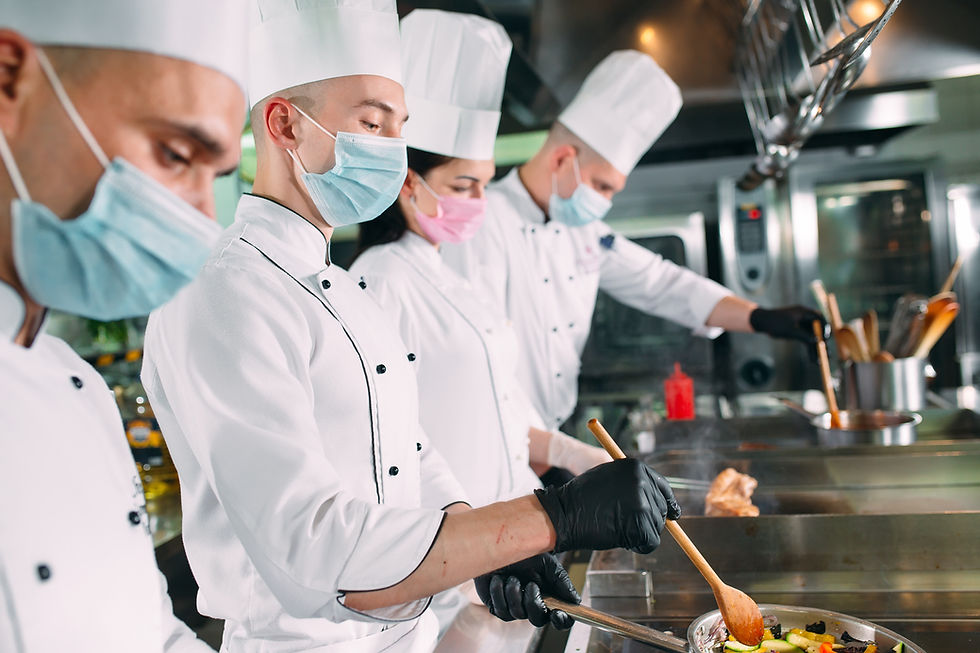
Few things connect us to a destination more deeply than its food. The aroma of fresh spices in a Bangkok market, the taste of homemade pasta in a tiny Italian trattoria, the sizzle of street tacos in Mexico City; these are the moments that often define a trip. But for all its joys, eating abroad also comes with risks. Unfamiliar ingredients, different hygiene standards, and contaminated water can quickly turn a culinary adventure into days lost to illness.
The good news is that being cautious doesn't mean missing out. Food-related issues are largely preventable with a few simple practices. By learning how to spot safe food options and trust your instincts, you can enjoy authentic local cuisine confidently and keep your stomach happy throughout your journey.
Food Safety Tips for Travelers
Choose busy restaurants with high turnover. A crowded eatery is often a good sign. High customer turnover means food is prepared fresh and ingredients don't sit out for long. Locals know best, so follow the lines and the buzz.
Eat freshly cooked and hot food. Heat kills most harmful bacteria, so meals served piping hot straight from the pan or grill are typically safer than items that have been sitting at room temperature. Be cautious with buffets and pre-prepared dishes that may have been out too long.
Avoid unpeeled fruits and untreated water. Stick to fruits you can peel yourself, like bananas, oranges, and mangoes. Skip raw vegetables and salads that may have been washed in untreated water. Drink only bottled, filtered, or boiled water, and avoid ice unless you're certain it's made from safe water.

Be cautious with dairy and seafood. In areas where refrigeration may be inconsistent, unpasteurized dairy products and raw seafood carry higher risks. Choose well-cooked options when in doubt.
Wash your hands before meals. Simple hand washing is one of the most effective defenses against foodborne illness. Use soap and clean water whenever possible, especially before eating with your hands.
Carry hand sanitizer. When soap and water aren't available, an alcohol-based hand sanitizer is your best friend. Keep one in your bag and use it before snacks, meals, or after handling money.
Pack travel-friendly remedies. Even with the best precautions, stomach issues can happen. Bring along oral rehydration salts, anti-diarrheal medication, and probiotics to help your gut adjust to new foods and bounce back quickly if needed.
Trust your instincts. If a dish, drink, or stall doesn't look or smell right, skip it. Your senses are powerful tools, and there's always another delicious meal around the corner.

Smart Eating, Smart Travel
Food is one of the greatest gifts of travel, and you don't need to avoid local specialties to stay safe. Smart eating means staying informed, observing your surroundings, and making thoughtful choices. With a balanced approach, you can dive into the local food scene with confidence and bring home delicious memories instead of unwanted souvenirs.
When you travel, do you dive straight into the street food scene or take time to ease in with safer options first?


Comments